Archives
- 2026-06
- 2026-05
- 2026-04
- 2026-03
- 2026-02
- 2026-01
- 2025-12
- 2025-11
- 2025-10
- 2025-09
- 2025-03
- 2025-02
- 2025-01
- 2024-12
- 2024-11
- 2024-10
- 2024-09
- 2024-08
- 2024-07
- 2024-06
- 2024-05
- 2024-04
- 2024-03
- 2024-02
- 2024-01
- 2023-12
- 2023-11
- 2023-10
- 2023-09
- 2023-08
- 2023-07
- 2023-06
- 2023-05
- 2023-04
- 2023-03
- 2023-02
- 2023-01
- 2022-12
- 2022-11
- 2022-10
- 2022-09
- 2022-08
- 2022-07
- 2022-06
- 2022-05
- 2022-04
- 2022-03
- 2022-02
- 2022-01
- 2021-12
- 2021-11
- 2021-10
- 2021-09
- 2021-08
- 2021-07
- 2021-06
- 2021-05
- 2021-04
- 2021-03
- 2021-02
- 2021-01
- 2020-12
- 2020-11
- 2020-10
- 2020-09
- 2020-08
- 2020-07
- 2020-06
- 2020-05
- 2020-04
- 2020-03
- 2020-02
- 2020-01
- 2019-12
- 2019-11
- 2019-10
- 2019-09
- 2019-08
- 2019-07
- 2019-06
- 2019-05
- 2019-04
- 2018-11
- 2018-10
- 2018-07
-
Ginsenosides are the major bioactive
2024-03-19
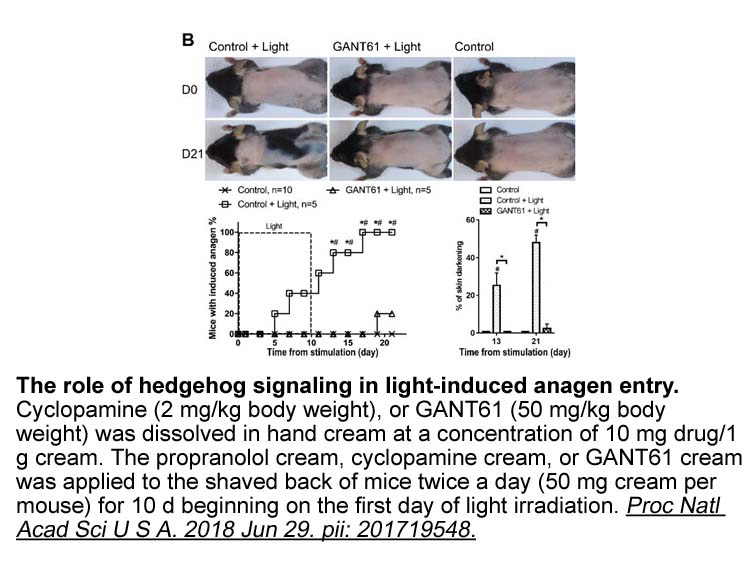
Ginsenosides are the major bioactive constituents of the Panax ginseng root, which contain many types of ginsenosides including Rb1, Rg1, Rc, and Rg3. The ginsenoside Rb1 appears to be the most abundant of the bioactive ginsenosides [15]. Rb1 exhibits antiinflammatory, anticarcinogenic, and antioxid
-
Circulating adrenal derived stress hormones
2024-03-19
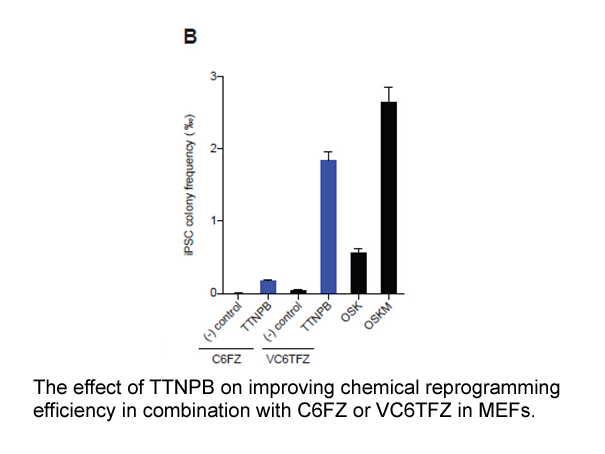
Circulating adrenal-derived stress hormones, epinephrine and corticosterone mediate their tissue effects through adrenergic (AR; α and β) and glucocorticoid (GR) receptors. AR are widely distributed throughout the body and although epinephrine is a prototypical agonist for all types of AR, the selec
-
It is important to note that
2024-03-19
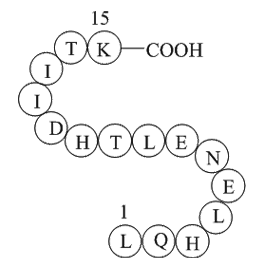
It is important to note that stable amnesia is, apparently, a general biological phenomenon and can be found in different animal species. In studies on rats, it was found that if reconsolidation of conditioned olfactory aversion memory was impaired by the antagonist of NMDA glutamate receptors, amne
-
Furthermore our lab previously reported that cadmium
2024-03-19
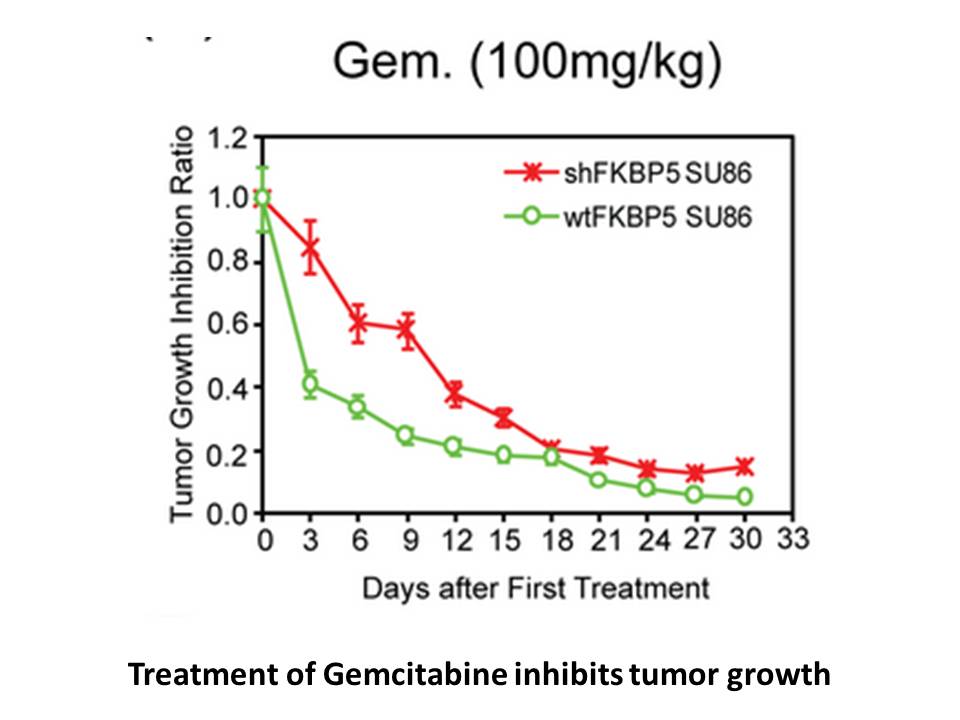
Furthermore, our lab previously reported that cadmium treatment increased AChE-S and decreased AChE-R variants gene expression, which mediates the cell death observed on basal forebrain cholinergic neurons (Del Pino et al., 2016b). AChE-R decreased expression, which presents a neuroprotective role i
-
The resolution cocrystal structure of
2024-03-18
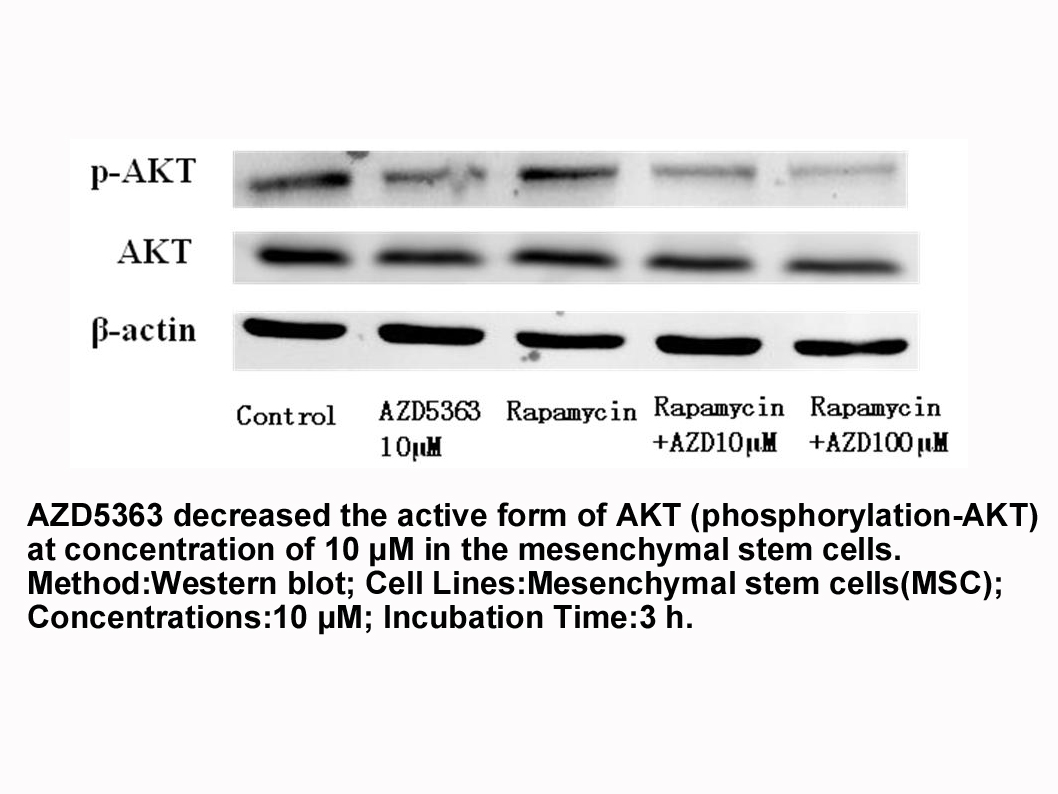
The 2.10Å resolution cocrystal structure of ACL in complex with citrate indicates that the carboxyl (COH) groups of citrate forms a network of H-bonds with hydrophilic residues surrounding the ACL citrate binding domain (CBD) (A). The - carboxyl group forms a salt bridge with the guanidine moiety of
-
It has also been reported that
2024-03-18

It has also been reported that defects in ATM or ATR signalling are synthetically lethal with PARP inhibition (Turner et al., 2008, Peasland et al., 2011, Yap et al., 2011, Michels et al., 2014), suggesting that combined inhibition of PARP and ATM or ATR may be an effective therapeutic strategy. In
-
Critically we found that pre treatment with
2024-03-18
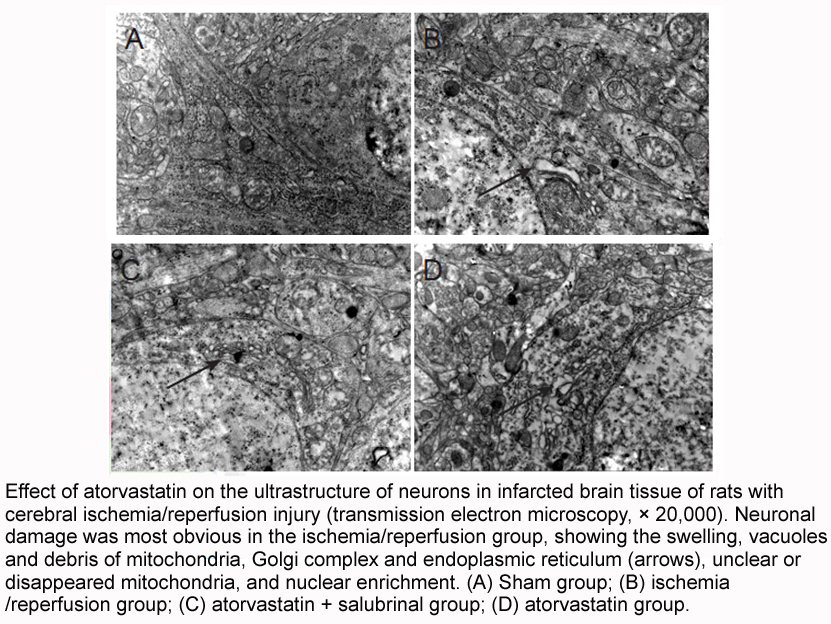
Critically we found that pre-treatment with Aβ monomer preparations prevented the Aβ oligomer-induced aggregation of PrPC. These preparations contain a mixture of Aβ species and consequently it was not possible to identify the precise form of Aβ that is responsible for this effect. It is possible th
-
A number of interesting anti inflammatory molecules have
2024-03-18
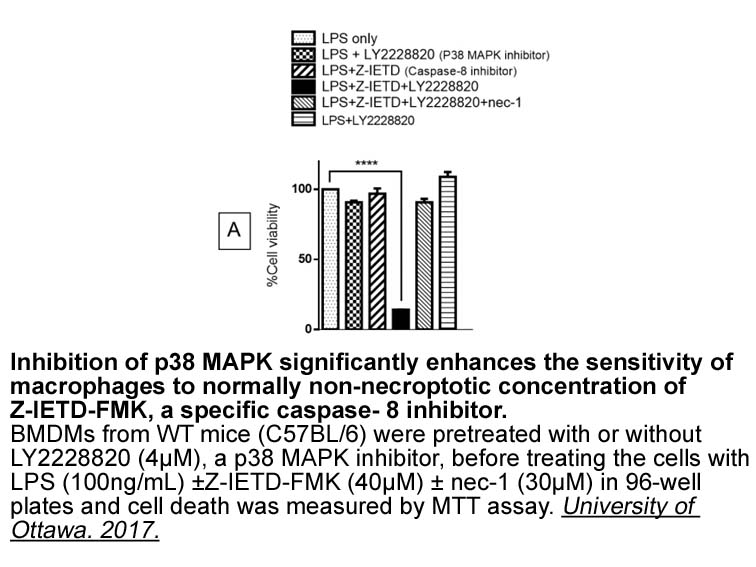
A number of interesting anti-inflammatory molecules have also been identified that are derived from AA or ω−3 fatty acids, including the lipoxins (for “lipoxygenase interaction products”), resolvins, and protectins [18], [19] (Fig. 1). The lipoxins are synthesized from AA by 5-, 12-, and 15-LOX, as
-
br Rapid nongenomic effects of corticosterone in
2024-03-18
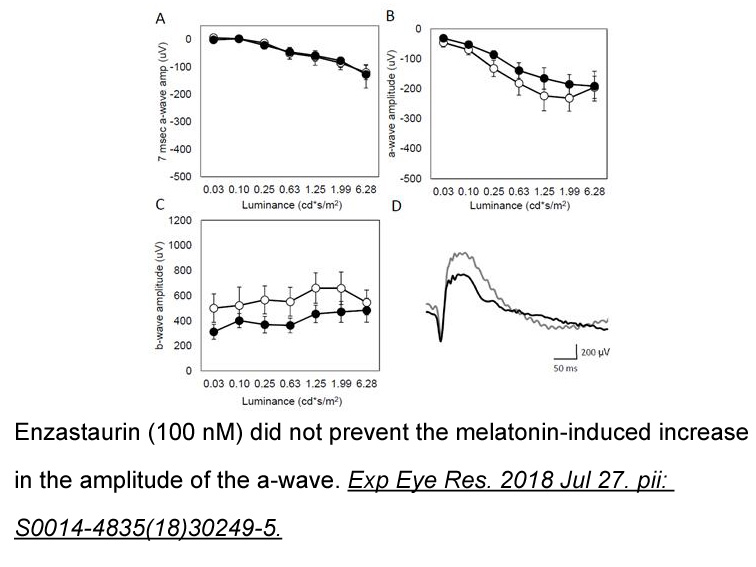
Rapid nongenomic effects of corticosterone in an amphibian model Studies in the model organism, the roughskin newt, Taricha granulosa, over 30 years ago led to the discovery that stress can rapidly (within minutes) suppress sexual behavior (amplectic clasping) of male T. granulosa, an effect that
-
br Introduction Clinical manifestations of
2024-03-18

Introduction Clinical manifestations of Alzheimer's disease (AD) are mainly characterized by progressive intellectual deterioration, memory impairment, cognitive impairment, and psychiatric symptoms. The pathogenesis of AD remains unclear, mainly containing genetic factors, neurotransmitter disor
-
The overall adjustment the non toxicity
2024-03-18
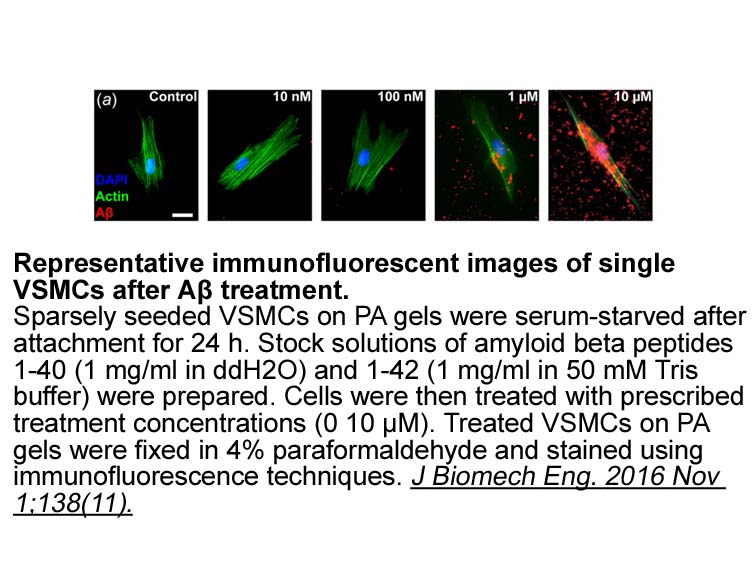
The overall adjustment, the non-toxicity and the addiction-free treatment methods are the advantages of EA. EA treatment for depression has achieved great clinical effect in recent years (Dong et al., 2017). The clinical practice guideline of the American college of physicians (ACP) have pointed out
-
The ARHL locus ahl that contributes to
2024-03-16
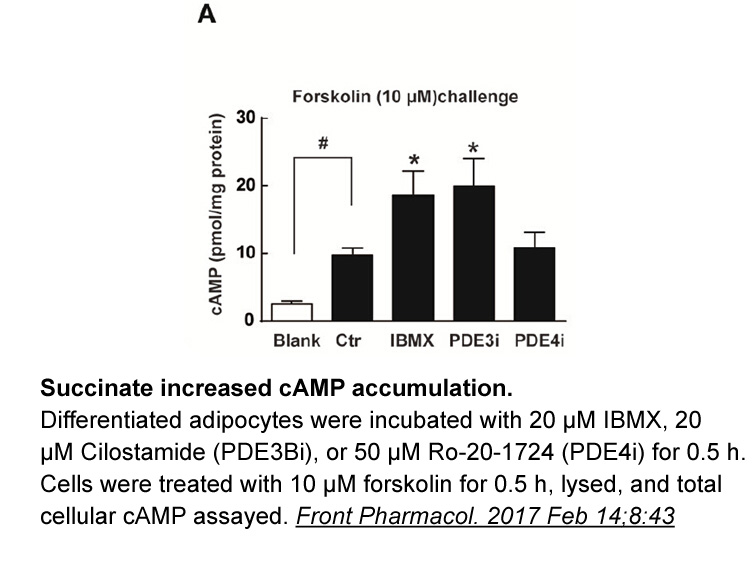
The ARHL locus (ahl) that contributes to the hearing loss in the C57BL/6J mouse has been mapped to chromosome 10 (Erway et al., 1993, Johnson et al., 1997). It has been shown that strains susceptible to early onset ARHL carry a specific mutation in the cadherin 23 gene (Cdh23), which encodes a compo
-
Metformin s pluripotent roles are alluded to
2024-03-16
Metformin's pluripotent roles are alluded to in terms of its antitumorigenic, glucose-lowering, and cardioprotective effects, which are due in part to its upregulation of AMPK activity [39,40]. Metformin's glucose-lowering effect is a result of reduced hepatic gluconeogenesis, whereas improved insul
-
br Acknowledgements This work was supported
2024-03-16
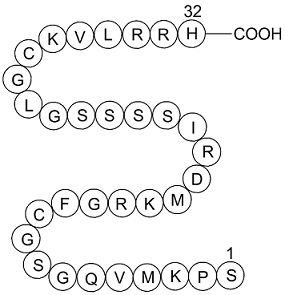
Acknowledgements This work was supported by Conselho Nacional de Desenvolvimento Científico e Tecnológico (CNPq), Coordenação de Aperfeiçoamento de Pessoal de Nível Superior (CAPES), Fundação de Amparo à Pesquisa do Estado do Rio Grande do Sul (FAPERGS) FINEP research grant “Rede Instituto Brasil
-
Ketoprofen br Conclusion br Conflicts of interest br Introdu
2024-03-16
Conclusion Conflicts of interest Introduction Enzymes are widely applied as biocatalysts in fields such as synthetic chemistry [1], pharmaceuticals [2], environmental treatment [3], and food technology [4] because they can catalyze chemical transformations in a highly selective manner under
16931 records 201/1129 page Previous Next First page 上5页 201202203204205 下5页 Last page