Archives
- 2026-06
- 2026-05
- 2026-04
- 2026-03
- 2026-02
- 2026-01
- 2025-12
- 2025-11
- 2025-10
- 2025-09
- 2025-03
- 2025-02
- 2025-01
- 2024-12
- 2024-11
- 2024-10
- 2024-09
- 2024-08
- 2024-07
- 2024-06
- 2024-05
- 2024-04
- 2024-03
- 2024-02
- 2024-01
- 2023-12
- 2023-11
- 2023-10
- 2023-09
- 2023-08
- 2023-07
- 2023-06
- 2023-05
- 2023-04
- 2023-03
- 2023-02
- 2023-01
- 2022-12
- 2022-11
- 2022-10
- 2022-09
- 2022-08
- 2022-07
- 2022-06
- 2022-05
- 2022-04
- 2022-03
- 2022-02
- 2022-01
- 2021-12
- 2021-11
- 2021-10
- 2021-09
- 2021-08
- 2021-07
- 2021-06
- 2021-05
- 2021-04
- 2021-03
- 2021-02
- 2021-01
- 2020-12
- 2020-11
- 2020-10
- 2020-09
- 2020-08
- 2020-07
- 2020-06
- 2020-05
- 2020-04
- 2020-03
- 2020-02
- 2020-01
- 2019-12
- 2019-11
- 2019-10
- 2019-09
- 2019-08
- 2019-07
- 2019-06
- 2019-05
- 2019-04
- 2018-11
- 2018-10
- 2018-07
-
As the experimental procedure used could reflect agonist sti
2024-10-21
As the experimental procedure used could reflect agonist-stimulation of both anterograde and retrograde APJ trafficking, as has been described for the δ-opioid peptide receptor (Zhang et al., 2006b, Zhang et al., 2006a), receptor internalization was more directly monitored by loading cell surface HA
-
caspase inhibitor br Future view and implications The
2024-10-21
Future view and implications The selection and spread of multi(drug)-resistant microorganisms over the last decades has become a major and global public health concern [35]. Two growing threats originating from the fungal kingdom, i.e. Aspergillus fumigatus and Candida auris[36], [37], re-emphasi
-
Since primitive societies plants herbs and seeds rich in
2024-10-21
Since primitive societies, plants, herbs and seeds, rich in phytochemicals, were used due to their benefits in human health. These molecules were shown to present a diverse array of action mechanisms, including antioxidant activity, enzyme stimulation, hormones mimicking and by interfering with DNA
-
In our sequential model for
2024-10-21
In our sequential model for tau and Aβ deposition, we included the tau deposition in the medial temporal AS 101 sale in the absence of Aβ deposition, which is a pathological definition of primary age-related tauopathy (PART). Although the tau pathologies in PART and AD are almost identical in their
-
Not all secondary metabolites or natural products can be ful
2024-10-21
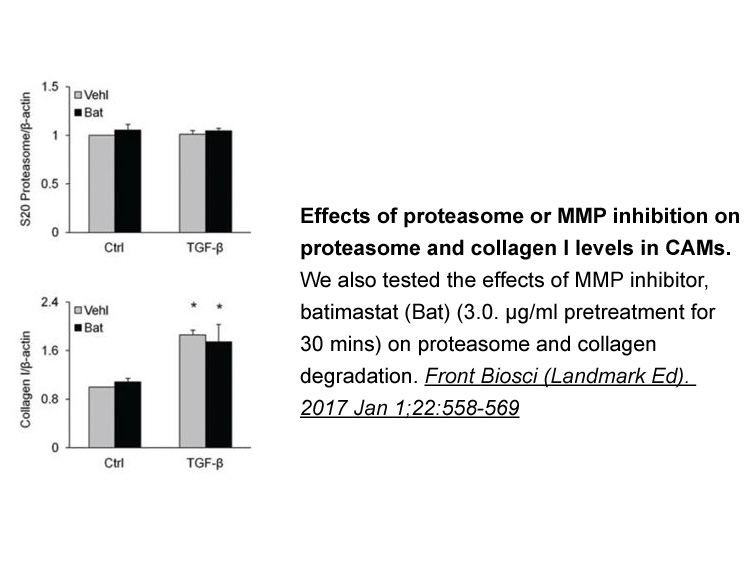
Not all secondary metabolites or natural products can be fully synthesized due to their very complex structures that are too difficult and expensive on industrial scale. Hence, there is an urgent need to search for alternative remedies as naturally occurring biologically active secondary metabolites
-
LOXs and CYPs are a series of iron containing enzymes
2024-10-21
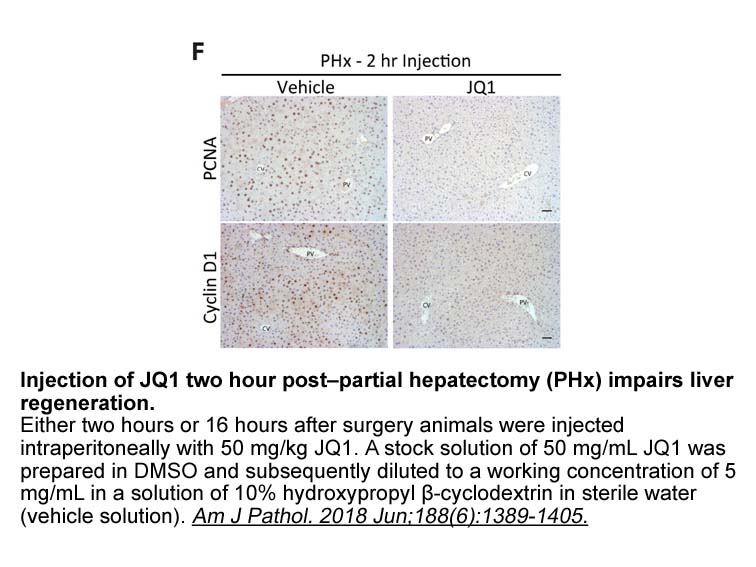
LOXs and CYPs are a series of iron-containing enzymes that metabolize arachidonic CVT-313 mg to form biologically active products, such as epoxyeicosatrienoic acids (EETs) hydroperoxyeicosatetraenoic acids (HETEs), prostaglandins, leukotrienes and thromboxanes [6]. Among these mediators, 12/15LOX h
-
The reactions and the control
2024-10-21

The reactions and the control mechanisms described are all supported by observations. For example the reactions require that different compounds are formed in different groups of Digoxigenin-11-UTP receptor cells and this has been observed [15]. Intravenous injection of glycine results in reduced u
-
br Experimental br Acknowledgment br Introduction The NADPH
2024-10-21
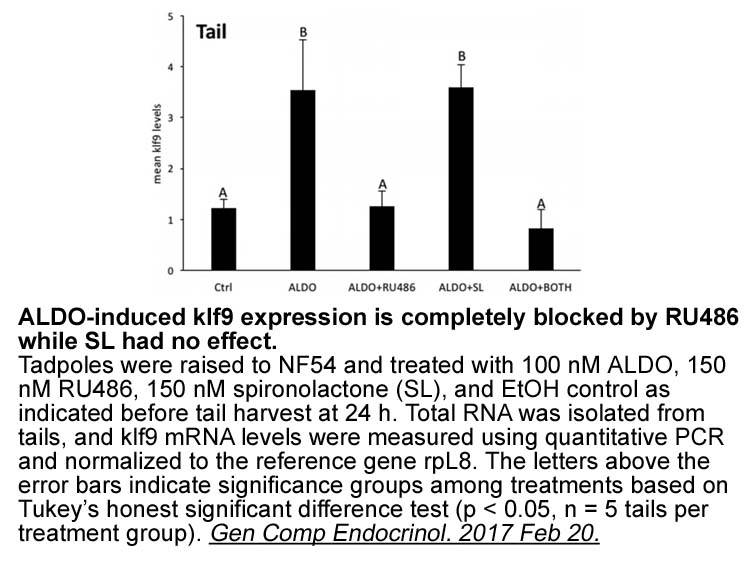
Experimental Acknowledgment Introduction The NADPH-dependent reduction of d-glucose catalyzed by aldose reductase (E.C.1.1.1.21) (AR) is considered as one of the phenomena leading to the onset of long term diabetic complications [as review see: [1], [2]. In fact, the reduction of the sugar,
-
br Glioblastoma GBM is the highest grade glioma
2024-10-21
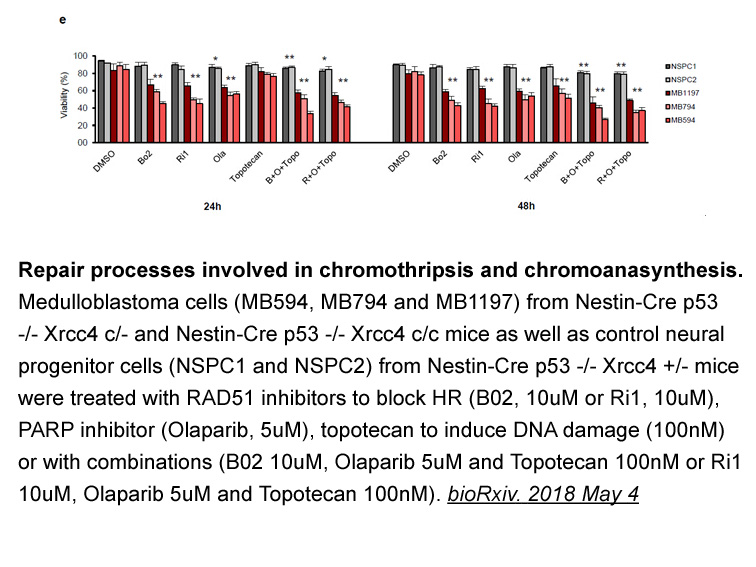
Glioblastoma GBM is the highest-grade glioma (Grade IV) according to WHO classification and belongs to the most malignant form of iwp2 tumor. It is an incurable disease despite the use of aggressive treatments that include surgery and radiotherapy, usually in combination with chemotherapy [13].
-
Two cell surface trans membrane receptors
2024-10-19
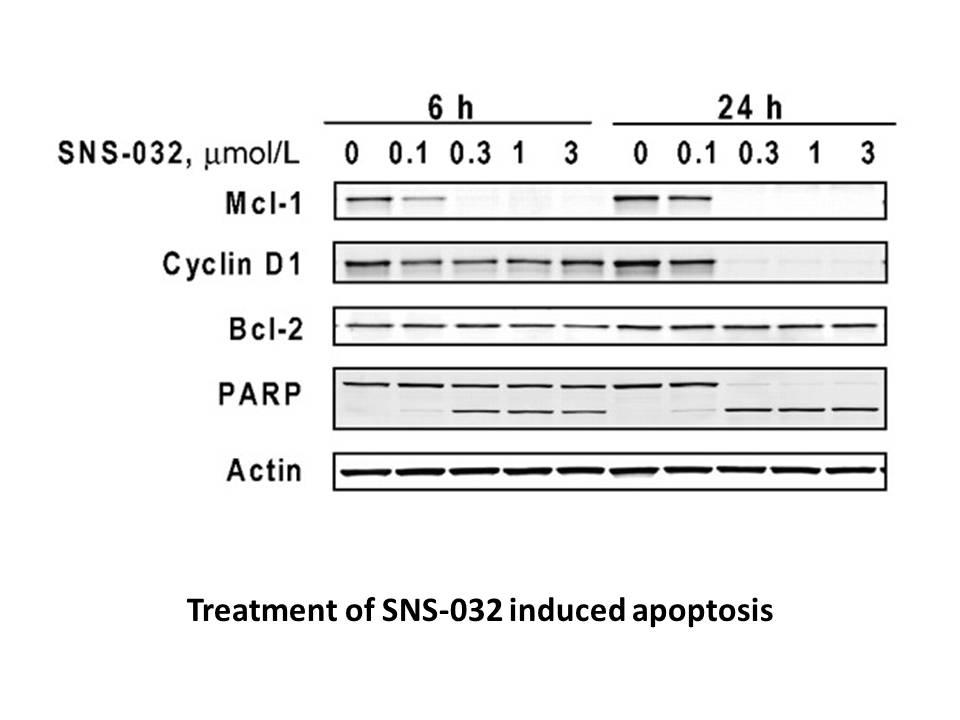
Two cell-surface trans-membrane receptors have been identified for adiponectin, AdipoR1 and AdipoR2 [21], and adiponectin action is known to signal through these receptors and the docking protein APPL1 [22]. In muscle and liver cells, signal transduction involves the phosphorylation and activation o
-
Pioneering studies on the immunomodulatory
2024-10-19
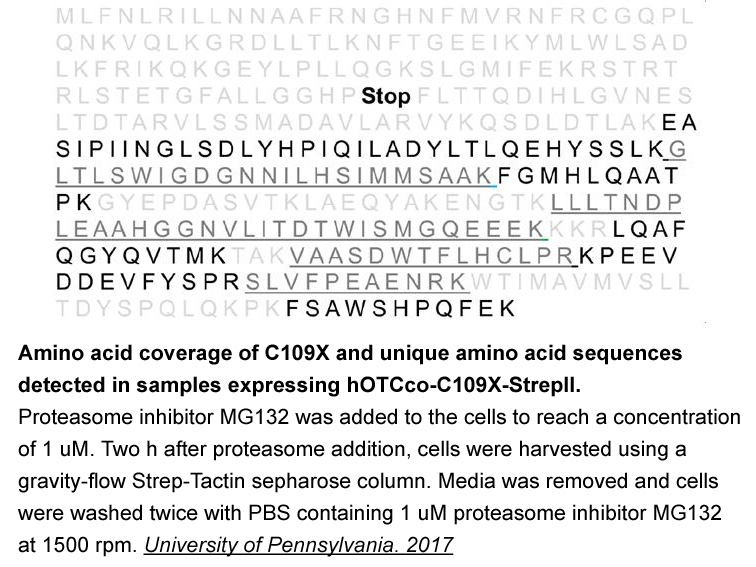
Pioneering studies on the immunomodulatory role of adenosine date back to the early ‘70 s of last century (Fig. 1), when the critical role of this nucleoside in shaping the development and the activity of several immune cell populations was first established [[18], [19], [20], [21], [22]]. This then
-
Diabetes or inflammation is associated with
2024-10-19

Diabetes or inflammation is associated with up-regulation of A2AAR (Pang et al., 2010). High levels of A2AARs are found in macrophages and microglial cells that are poised, on activation, to abrogate the immune response (Trincavelli et al., 2008). In addition, hyperglycemia is associated with increa
-
Plant material and growth conditions Arabidopsis thaliana ec
2024-10-19
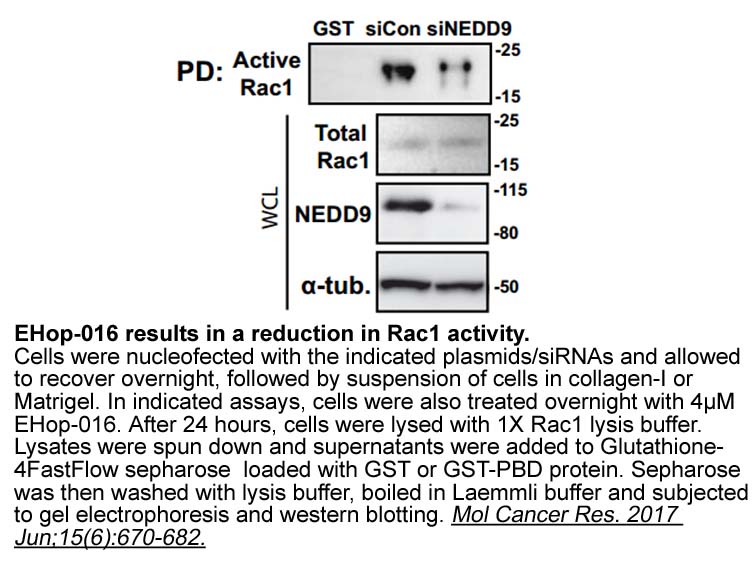
Plant material and growth conditions. Arabidopsis thaliana ecotype Columbia was grown on a mixture of soil, vermiculite, and perlite (4:2:1) with a 16h light/8h dark Hypotaurine in a temperature-controlled growth room (22°C), unless indicated otherwise. Molecular cloning and plant transformation. T
-
BRD4770 Compound mg was purified as an amorphous colourless
2024-10-19
Compound 3 (29 mg) was purified as an amorphous, colourless powder. Molecular formula C20H28O4 was established by HRESIMS (Fig. S11) and corroborated with 1H and 13C NMR spectroscopic data (Table 1). IR spectrum showed bands for hydroxyl (3433 cm−1) and carbonyl (1686 cm−1) groups. 13C NMR spectrum
-
Ebastine australia Numerous studies have reported high
2024-10-19
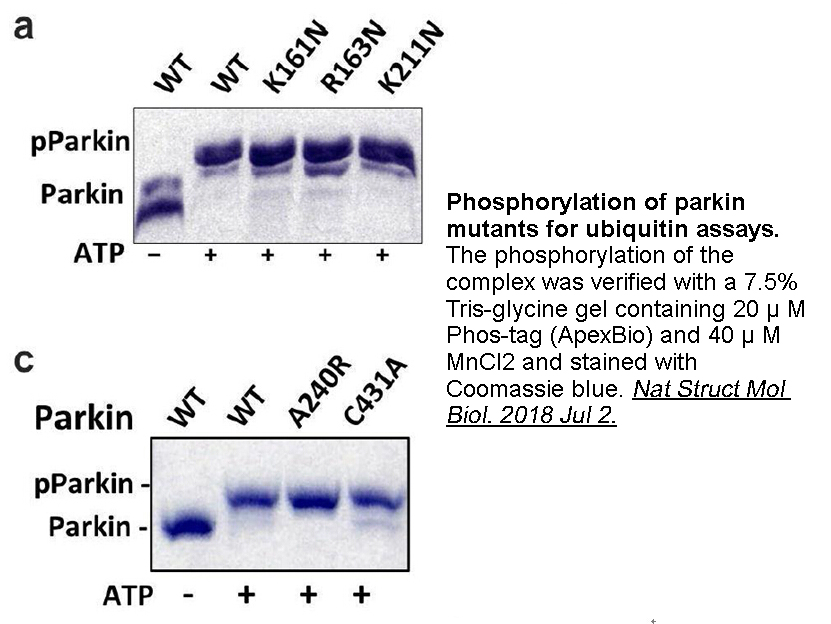
Numerous studies have reported high glutamate levels in the brains of patients with depression, indicating that the glutamate system plays a crucial role in depression (Sanacora et al., 2004; Kendell et al., 2005; Hashimoto et al., 2007). Furthermore, several clinically effective antidepressant drug
16932 records 89/1129 page Previous Next First page 上5页 8687888990 下5页 Last page